
Chinese hardware is no longer knocking on the door of global markets. It just walked in, set a record, and ordered a round for the house.
In 2025, Chinese creators on Kickstarter collectively raised $244 million — a 71.8% year-over-year surge that cemented China as the largest community of Kickstarter innovators outside the United States.
According to Kickstarter data, approximately 60% of projects in the technology category now originate from China, and the platform's cumulative tech and design funding from Chinese creators has crossed $404 million, producing 65 individual campaigns that each raised over $1 million.
That's not a trend anymore. That's a structural shift.
The names behind this wave aren't household brands — yet. They're mid-size hardware teams from Shenzhen, Hangzhou, and Hong Kong who have figured out a repeatable playbook: build something genuinely innovative, stage a precision influencer marketing campaign in the global maker community, and use Kickstarter as a first-day revenue machine and brand credibility engine simultaneously. The question brands in consumer electronics, AI hardware, and maker tools should be asking right now isn't whether to explore this channel — it's how the winners are doing it, and how influencer strategy sits at the center of every record-breaking campaign.
The Numbers That Rewrote the Record Books in 2025
Before getting into strategy, it's worth absorbing the scale of what just happened — because several of these campaigns didn't just perform well, they became the most-funded projects of their respective categories in Kickstarter history.
eufyMake E1 (Anker Innovations) — $46.76 million, #1 All-Time on Kickstarter
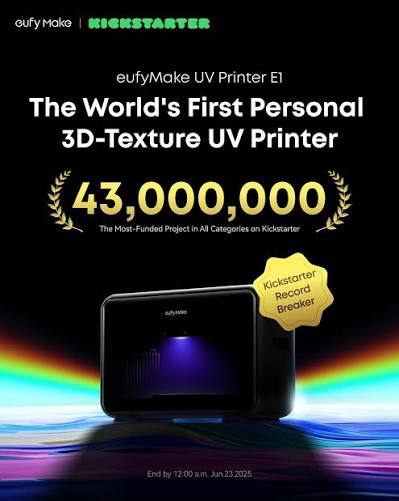
Launched on April 29, 2025, the eufyMake E1 — a compact personal 3D-texture UV printer from Anker's sub-brand — crossed $10 million in just 14 hours. By the time the 60-day campaign closed, it had raised $46,762,258 from 17,822 backers, surpassing the previous all-time Kickstarter record of $41.7 million.
Kickstarter CEO Everette Taylor called it "a powerful example of what happens when creators and community come together."
The product itself was genuinely novel: UV texture printing previously available only on commercial machines costing tens of thousands of dollars, now in a desktop format priced under $2,500. But the technology alone doesn't explain $46 million. The distribution of that campaign — heavily reliant on YouTube creator seeding, maker community Discord engagement, and strategic media placement — explains the velocity.
Snapmaker U1 — $20.6 million, Most Funded 3D Printer in Kickstarter History
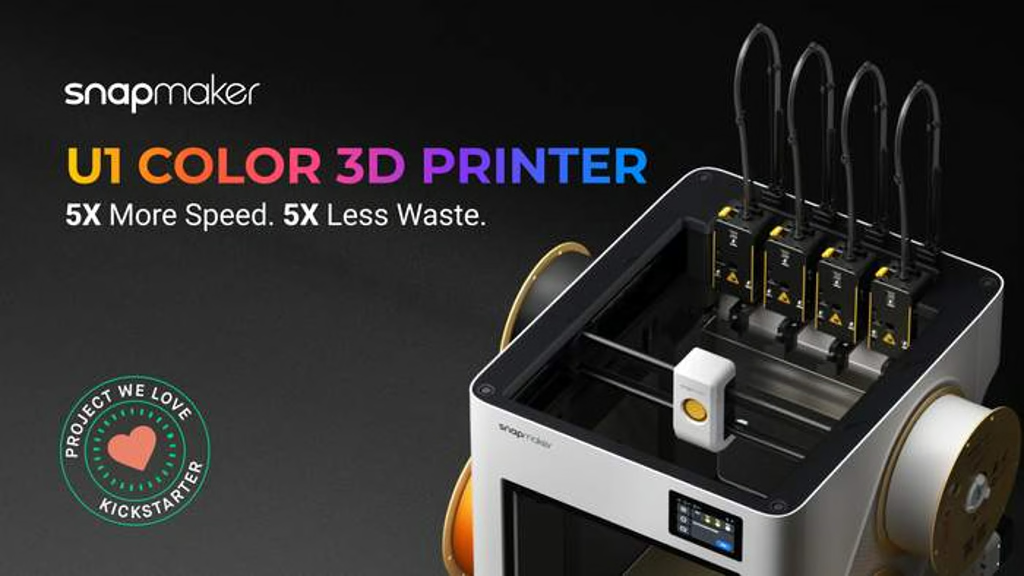
Shenzhen-based Snapmaker launched its U1 color 3D printer in August 2025 with a $100,000 goal. It crossed $2 million in 12 minutes. By the September 30 close, 20,680 backers had pledged $20,614,548. Snapmaker's beta testing program placed pre-production units with makers who brought them to Maker Faire Hannover, PrintedHub in Germany, and 3DPrintopia in the US — potential backers could physically interact with the machine before pledging.
NestWorks C500 — $11.9 million, Most Funded Desktop CNC Campaign
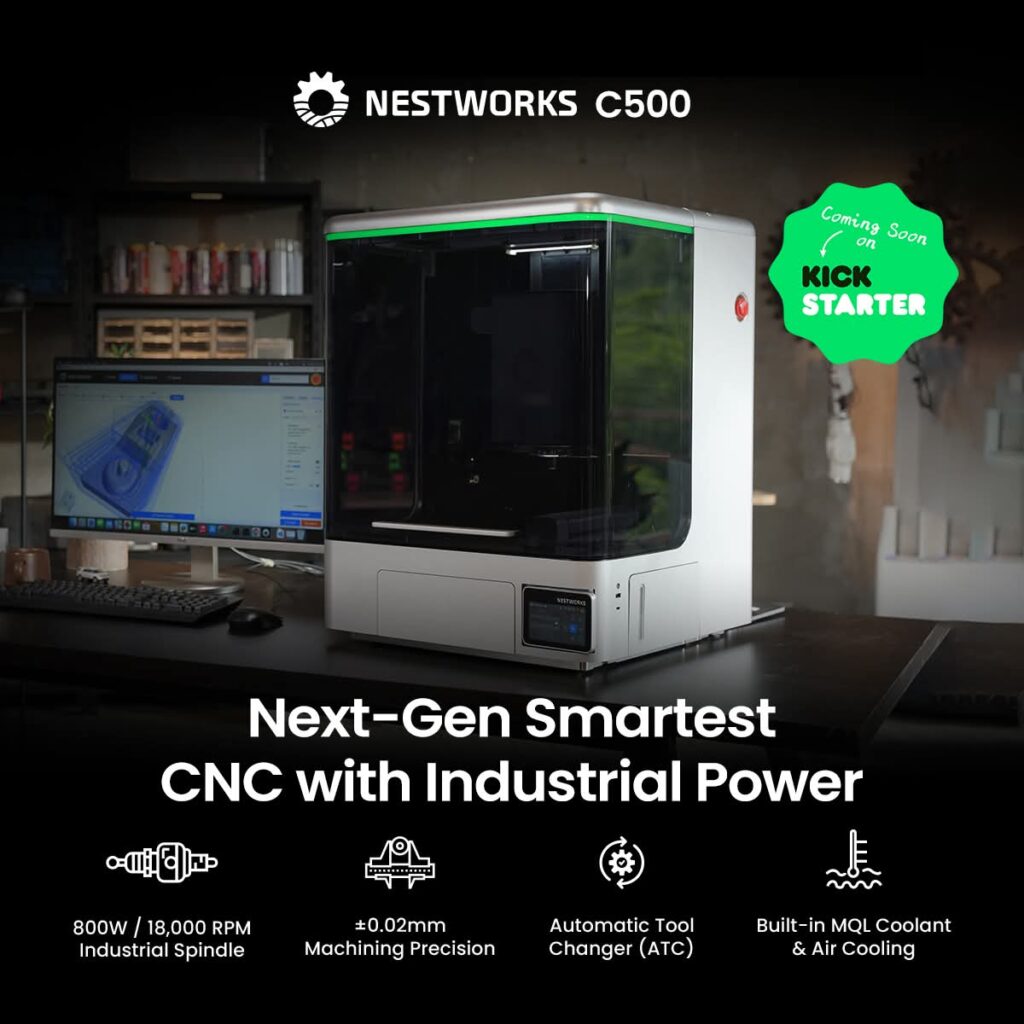
NestWorks — incubated by Elephant Robotics — launched the C500 desktop CNC machine in November 2025, raising $12.2 million from just over 3,200 backers with one of the highest average pledge values ($3,000–$4,000 per backer) in crowdfunding hardware history. YouTube creators in engineering and hardware niches tested the machine and showcased real metal machining projects. The campaign was also managed with support from Vinyl, a Kickstarter Expert Partner.
LiberNovo Omni — $10+ million, Most Funded Ergonomic Chair in Kickstarter History
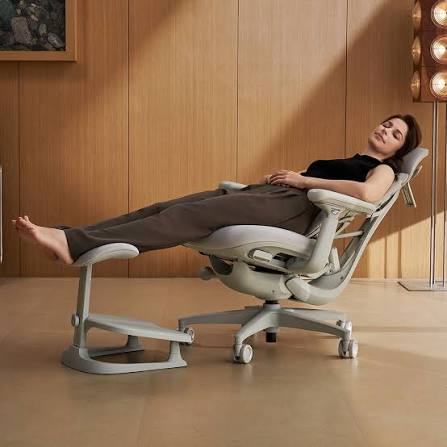
Hong Kong-based LiberNovo raised over $10 million from more than 11,500 backers for the Omni, billed as the world's first dynamic ergonomic chair. The campaign also set a record on Japan's Makuake platform, concluding with more than 460 million yen ($2.8 million) from nearly 5,000 Japanese backers. The Omni won the Red Dot: Product Design 2026 award and the iF DESIGN AWARD 2026. Its go-viral moment came from the product's bionic FlexFit backrest — a design that was inherently visual and drove organic sharing alongside paid influencer seeding.
Makera Z1 — $11.4 million, Desktop CNC for the Prosumer Market
Makera raised $11.4 million from 7,716 backers for the Z1, positioned as a more accessible desktop CNC at ~$899–$975 during the campaign. Pre-production units reviewed by major YouTube photography and maker creators built early credibility before launch.
Why Kickstarter Works So Differently for Chinese Hardware
To understand why these campaigns work, you need to understand what Kickstarter actually is for Chinese hardware brands — and it's not primarily a fundraising platform.
It's a global market validation signal. Kickstarter's Greater China representative has noted publicly that $400,000 raised is enough to confirm commercial viability for a hardware product. When a campaign raises 200x that, you're not just validating the product — you're creating the first chapter of a brand story that global press, distributors, and retail buyers will reference for years.
It's a pre-launch earned media machine. Every successful Kickstarter launch generates a wave of YouTube reviews, Reddit threads, maker community discussions, and tech media coverage that would cost millions in paid advertising. This organic content layer doesn't just drive campaign pledges — it seeds the search results consumers find when the product hits retail six months later.
It's a first-day revenue spike that funds production. Traditional export brands need to estimate demand, secure financing, and risk inventory. Kickstarter campaigns, when executed well, allow Chinese hardware brands to enter global markets with demand already proven and production costs partially pre-funded.
It's a community of early adopters who become brand advocates. The maker community that backs hardware campaigns on Kickstarter is not passive. These are people who write reviews, create tutorial content, bring machines to local makerspaces, and evangelize to their professional networks. This community-as-distribution-channel is a structural advantage that brands building on conventional retail never get.
The Influencer Playbook Behind Every Record Campaign
Across all five of the 2025 breakout campaigns, one pattern is consistent: no campaign of this scale succeeds without a well-engineered pre-launch influencer strategy. The specific tactics vary by product category, but the underlying logic is the same.
Phase 1: Seed with Niche Creator Validation (60–90 Days Pre-Launch)
For technical products like 3D printers, CNC machines, and UV printers, the first credibility hurdle is convincing a skeptical maker community that the product actually works as advertised. Hardware YouTube channels — particularly mid-tier creators with 50,000 to 500,000 subscribers who specialize in 3D printing, CNC machining, or maker tools — carry disproportionate influence in this community. Their reviews are long-form, technical, and trusted.
Snapmaker's pre-launch approach was explicitly built around this layer: a large-scale beta testing program that placed units with these technical creators, who then shared their experiences publicly at campaign launch. The social proof generated by a respected creator saying 'I tested this for two months and it actually delivers' is worth far more than a polished brand video.
Phase 2: Micro-Influencer Matrix Across the Backer Funnel (Launch Week)
The first 24–48 hours of a Kickstarter campaign determine whether it achieves escape velocity. The campaigns that crossed $1 million on day one all pre-seeded a coordinated wave of content across multiple influencer layers simultaneously:
- YouTube makers (10,000–200,000 subscribers): Long-form reviews and unboxing content that ranks in search and drives sustained traffic throughout the campaign
- Reddit community posts in relevant subreddits (r/3Dprinting, r/hobbycnc, r/MechanicalKeyboards, etc.) by genuine community members
- Discord communities in maker, DIY, and creative tech spaces where product demos and early access offers drove organic discussion
- Instagram and TikTok makers who drove short-form viral awareness for visually compelling products
The eufyMake E1 illustrates this well: printing raised color texture onto metal, wood, or glass is inherently dramatic. A YouTube video of a creator printing a photorealistic landscape onto a piece of wood becomes content that drives shares without being promotional.
Phase 3: Stretch Goal Unlocks and Community Amplification
The campaigns that sustained momentum over 60-day windows all used stretch goals to create re-engagement events. When Snapmaker crossed $20 million, it unlocked coupons for every backer — which created a news hook and drove a second wave of media coverage. NestWorks used early-bird tier sellouts as urgency triggers. LiberNovo's campaign built sustained momentum as coverage from GamesRadar, Tom's Hardware, Android Authority, and enthusiast publications cascaded into organic search traffic.
What This Means for Chinese Hardware Brands in 2026
Kickstarter opened its first China-based physical space, INNO100 in Shenzhen's Nanshan District, in November 2025 specifically to serve this ecosystem. For growth-stage Chinese hardware brands looking to globalize, the Kickstarter channel has several properties that conventional export or Amazon-first strategies don't offer:
Category creation and price anchoring. The eufyMake E1 didn't just sell a printer — it created a category (personal 3D-texture UV printing) and set the price anchor at ~$2,000–2,500. Any competitor entering the space now enters a conversation that eufyMake defined.
Multi-market simultaneous launch. LiberNovo ran both Kickstarter (global) and Makuake (Japan) simultaneously, raising over $2.8 million in Japan alone — a market famously resistant to Chinese hardware brands — by using a channel with built-in trust architecture.
Press as a permanent asset. The coverage that Snapmaker, NestWorks, and LiberNovo generated in 2025 — in Tom's Hardware, 3DPrint.com, TechRadar, Android Authority, GamesRadar, Hackster.io — doesn't expire. It accumulates in Google search results and continues to influence buyers long after the campaign closes.
The Role of Influencer Marketing Agencies in Crowdfunding Launches
One theme across all major 2025 campaigns is that they didn't happen in isolation. Each relied on a network of specialized partners: crowdfunding agencies, PR firms, creator relationship managers, and — critically — influencer marketing infrastructure.
Finding the right YouTubers in the 3D printing or CNC community isn't straightforward. There are hundreds of channels, each with different audience demographics, content standards, and pricing expectations. Outreach at scale — sending samples, coordinating NDAs, timing review drops to campaign launch — requires infrastructure and relationships that most hardware brands don't have internally.
This is precisely the context in which GlobalStar operates. Our team based in Shanghai — which gives us native-timezone access to both the Chinese brand side and the global influencer ecosystem — has spent years building direct relationships with technical hardware creators across YouTube, Instagram, TikTok, and the maker platform ecosystem. We've worked with consumer electronics and hardware brands across the exact categories where Kickstarter is producing record-breaking results: maker tools, AI peripherals, ergonomic products, and smart devices.
For brands preparing a crowdfunding campaign, we provide:
- Pre-launch creator seeding: Identifying and managing relationships with 15–50 technical hardware influencers who can provide authentic, credible reviews before campaign launch
- Campaign amplification across layers: Coordinating simultaneous drops across YouTube, Reddit, Discord, Instagram, and TikTok to create launch-day momentum that Kickstarter's algorithm rewards with platform placement
- Community management and backer communication: Managing creator relationships and community touchpoints that sustain momentum over 30–60 day campaign windows
- Post-campaign press amplification: Turning the campaign's numbers into ongoing media coverage that seeds the search results and distribution conversations driving retail success post-fulfillment
The Bottom Line for 2026
The $244 million that Chinese creators raised on Kickstarter in 2025 wasn't luck, and it wasn't just good products. It was the result of hardware teams — many of them first-time global launchers — executing a specific playbook that treats influencer marketing not as a promotional add-on, but as the load-bearing structure of the entire global launch strategy.
The brands that are already planning their 2026 campaigns know this. For Chinese hardware brands with genuine product innovation and a global ambition, the window for Kickstarter-first global launches is wide open. The playbook exists. The influencer relationships exist. The question is whether your team has the infrastructure to execute it — or whether you need a partner in Shanghai who already does.
GlobalStar is an influencer marketing agency with offices in Shanghai and a global network of creator relationships spanning consumer electronics, AI hardware, maker tools, and smart devices. We help Chinese brands build global audiences through precision creator campaigns across YouTube, TikTok, Instagram, and beyond.