
The creator economy is projected to reach $480 billion globally by 2027, with nearly half of brands already reporting 3x or greater ROI from creator partnerships. For consumer electronics brands running parallel campaigns across the US and Europe, that growth isn't just good news — it's a planning problem. The tactics that worked in 2026 won't automatically scale into 2027. Here are five shifts worth building into next year's strategy now, not in Q1.
Where 2027 actually starts: from IFA 2026 to CES 2027. None of these five shifts happen in a vacuum — they play out first at the trade shows that set the industry's calendar.
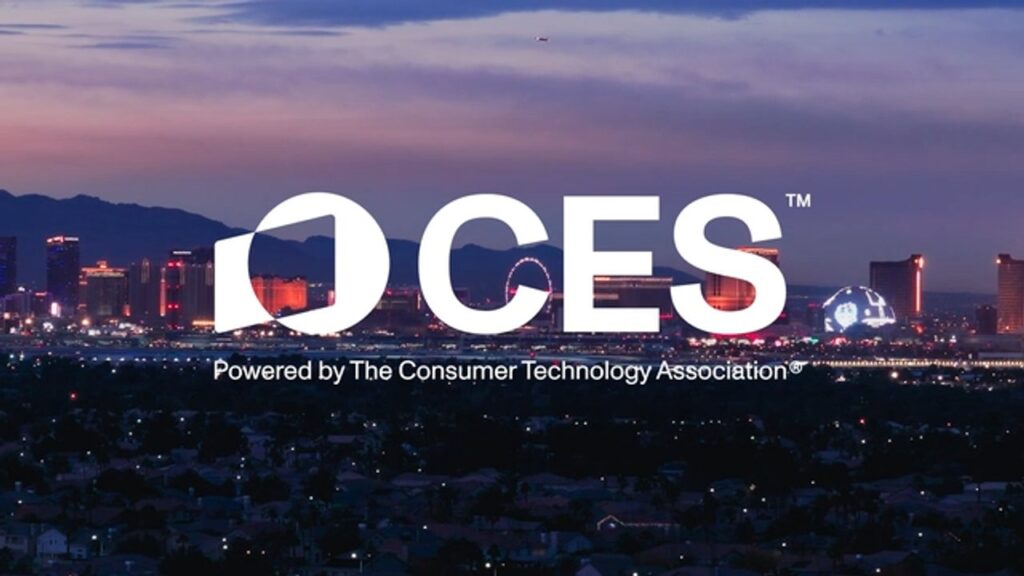
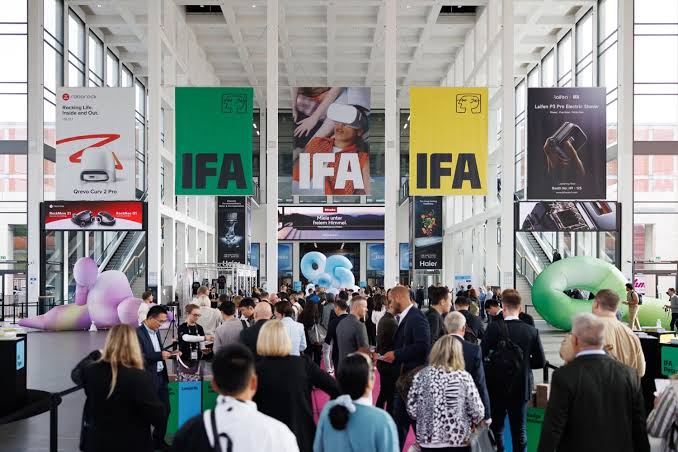
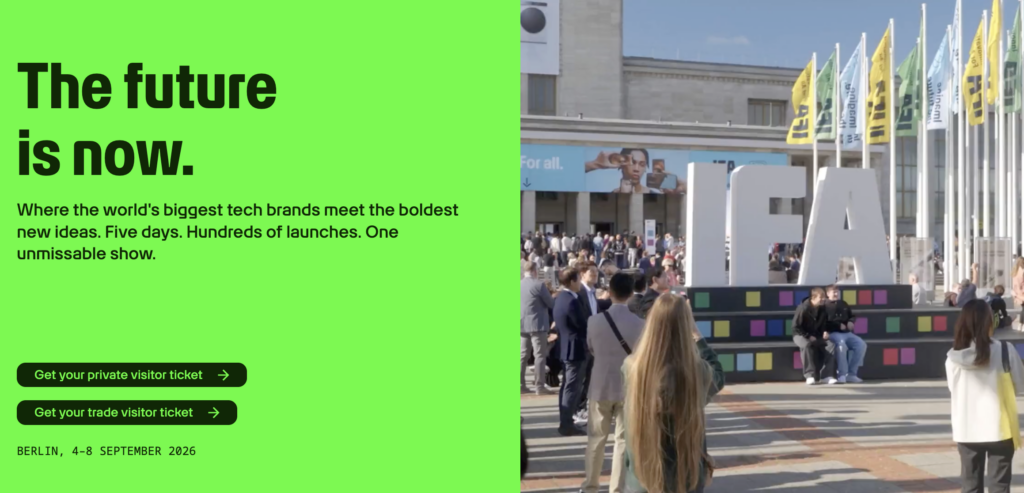
IFA 2026 in Berlin closed in September with Chinese brands making up roughly a third of the exhibitor floor, including confirmed names like Anker Innovations, Dreame, Xiaomi, TCL, Hisense, and Midea; with Black Friday only about 81 days after the halls emptied, that show is where most 2026 Q4 creator commitments got locked in. CES 2026 in January set the tone for the whole year with the arrival of "physical AI" — Boston Dynamics showed a production-ready, fully electric Atlas robot, and AgiBot made its first full U.S. appearance with its X2, A2, and G2 humanoid lines, with robotics-related exhibitor interest up 26% year over year. Two names in that mix matter directly here: Ugreen debuted an AI-NAS-led smart ecosystem at CES 2026, and Ecovacs showed off its robotic lawn mowers — both now sit in GlobalStar's own case library. Now CES 2027 (January 6-9, Las Vegas) is the next anchor point: organizers expect 4,100+ exhibitors and roughly 148,000 attendees, and as of this week's exhibitor directory, 2,454 companies are already confirmed — 1,008 of them brand new, 1,446 returning from CES 2026.
The theme is shifting too: where CES 2026 was about proving physical and agentic AI could work, CES 2027 previews are framing it as the show where AI has to prove it can make money, organized around agent operating systems, sub-4B-parameter on-device models, consumer humanoid robots, and AI glasses positioned to replace phone-based AR.
For brands planning a CES 2027 presence, that 1,008-new-exhibitor numbers means creator competition in Las Vegas this January will be steeper than it was a year ago — and the booking window closes faster than most teams expect.
1. One-off campaigns are giving way to long-term revenue-share partnerships. Creators are no longer vendors paid per post; they're becoming closer to long-term growth partners. Hybrid compensation — a base fee plus 10–15% commission plus performance bonuses — is becoming the default structure rather than the exception. For brands expanding into the US and EU, this means 2027 creator contracts need to look less like a media buy and more like a partnership agreement, with incentives that reward the creators who keep driving sales months after a launch, not just on posting day.
2. Micro and nano creators aren't a trend anymore — they're the baseline. Nano creators under 10K followers already post engagement rates nearly 3x higher than mega-influencers, at a fraction of the cost per conversion. What changes in 2027 isn't the "why micro creators work" argument — it's the operational scale brands are expected to manage. One hero-creator deal used to simplify a campaign into a single relationship; fifty micro-creator deals don't simplify anything unless the matching and management layer is built to handle that volume.
3. Niche authority is starting to outperform reach. Creators rooted in a specific category — not generalist "tech" accounts, but the person an audience already trusts for serious reviews of a specific product type — are converting better on purchase intent than reach-first creators, even with smaller followings. For a 2027 shortlist, the deciding question shifts from "how many followers" to "does this creator already own credibility in the exact category we're launching into."
4. Creators are professionalizing into selective business operators. Top-tier creators are increasingly running their own businesses: negotiating long-term deals, diversifying revenue across brand partnerships, and turning down collaborations that don't fit their audience or business model. Brands used to treating outreach as a numbers game — message enough people, someone says yes — will find 2027 outreach works differently. Winning the best relationships requires a clear brief, a fair structure, and a long-term view from the first message.
5. AI search becomes the next attribution battleground. The line between influencer marketing and search strategy is blurring. Buyers are increasingly forming purchase intent inside AI search and chat interfaces before they reach a brand's own site, and creator content is becoming one of the key inputs those systems draw on — a shift we unpacked earlier this year in how to measure KOL ROI in the AI search era. A creator review that never gets indexed, cited, or surfaced by AI search tools is leaving half its value on the table. For 2027 content calendars, that means planning creator content to be discoverable by AI systems, not just social feeds.
The takeaway: none of these five shifts are isolated. Long-term partnerships, micro-creator scale, niche authority, creator professionalization, and AI search visibility all point toward the same requirement — a matching and measurement system that can operate at a level of precision manual processes can't sustain. Brands that build this into their 2027 planning now will spend next year compounding results; brands that wait will spend it catching up.
Want help mapping these five shifts onto your 2027 creator strategy? Leave us a message and growth expectation!